
Revitalize your church: A plan to enhance the wellbeing of your priest using the Intensive Journal Method
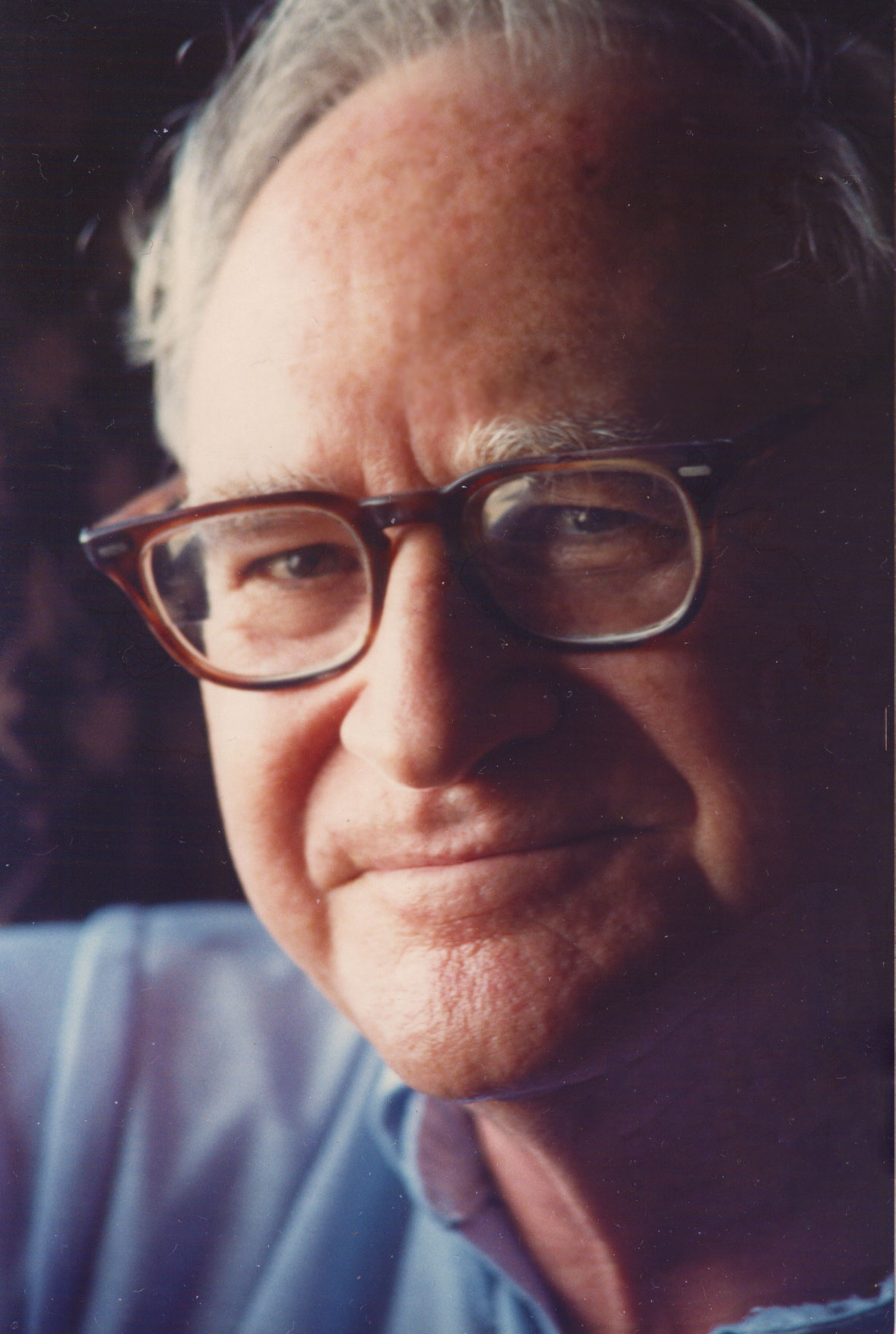
Ira Progoff, PhD, author and creator of the Intensive Journal Program
Churches of different denominations are facing a great deal of challenges these days: lower church attendance, financial pressures, staffing shortages, and aging congregations are some of the many alarming trends that are negatively impacting historic religious institutions. These challenges seem to be even more heightened as a result of COVID and its effects in subsequent years.
Many wonder what can be done to address these issues. In the Episcopal faith, the Episcopal Parish Network (EPN), with its nucleus of 250 plus churches under the leadership of Joe Swimmer as executive director, is helping churches become more efficient stewards of the assets and people that they manage. These efforts recognize that churches need to modernize to flourish in the 21st century.
Many other positive efforts are underway and, as noted by the late Rev. James D. Miller, formerly of Trinity United Church of Christ in Mt. Penn, Reading, PA, “the pastor is a key person for the life and vitality of the local congregation.”¹ Therefore, one key way to strengthen a church is to provide resources for pastors to develop themselves personally and professionally as well as their congregation.
“Pastors, like everyone else, struggle with questions of identity and meaning not only with those whom they serve in the church but within themselves,” says Miller. “How can they be expected to help others if they have found no way to bring integration and wholeness into the many claims and demands and questions of their own lives?…In order to be available to the local church as a true shepherd of souls and not merely as director of a program, the pastor must undertake the inner journey first before acquiring the skills and sensitivity to help others along this path.”
Miller concludes the Intensive Journal Method’s “ability to integrate the many aspects and movements within a life and to draw forth the hidden undercurrents of the psyche makes it a live option for pastors in their own personal and professional growth and in their care and for work with persons in the local church.”
The Intensive Journal Method: Background and Core Principles²
Created by psychotherapist Ira Progoff, PhD beginning in the mid-1960s, the Intensive Journal method is an integrated system of writing exercises that helps individuals connect with their true self. Each exercise corresponds to an area of life such as life history, personal relationships, body and health, work and special interests, dreams, and meaning in life.
Certified presenters guide participants step by step through these exercises in a meditative reflective atmosphere in a group workshop setting that are held online or in person. The progressively deepening workshop atmosphere away from one’s daily routine helps participants feel safe to work through powerful issues, gain perspectives on the continuity and direction of their lives, and develop the next steps in their evolving lives.
A Tool for the Personal Life of a Minister
While ministers are naturally focused on the many competing demands in leading their church, it is important for them to find time to care for their own lives. Dr. Roy M Oswald, a pioneer in the field of clergy self-care, recommends the Intensive Journal method:³
“Some people find working with their thoughts and feelings through the written word to be their most profound spiritual discipline. One of the most popular, and most profound, is the Intensive Journal developed by Ira Progoff…These descriptions should give you some idea of the rich opportunities for insight available in the Progoff Journal. I encourage you to attend a Progoff workshop …I found the workshop to be a wonderful time to pull together the ragged edges of my life. If you can’t attend a workshop, get a copy of Progoff’s book At a Journal Workshop….for some of you this discipline will open many doors to your inner life.”
Many Episcopal priests over the years have attended and hosted the program. The Rev. Anne Ritchings, an Episcopal priest in Philadelphia, PA, states:
“I took my first Intensive Journal Workshop almost 30 years ago. Since then, I have used its techniques to contact the deep wellsprings that feed my soul. It is one of the most practical and best tools for personal and spiritual growth that I have ever experienced.”
Miller used the Intensive Journal method on “just about every aspect of my life,” recognizing the importance of developing his own life as a way to be of greater service to his congregation. This included a range of issues such as the ongoing need to maintain a balance between the demands of the church and family, as well as spiritually in terms of his relationship to God. Miller highlighted how the Intensive Journal method changed his view of prayer:
“My own relationship to God has been greatly affected by my work in the Intensive Journal method…and has opened up a new understanding of prayer….Now prayer is a time of quiet communion with God, each being present to the other in silence, a silence that renews and strengthens and which speaks more profoundly in the depths of the spirit than any words could ever do.”
A Tool for the Professional Life of a Minister
Miller used the Intensive Journal method to deal with a range of issues in his professional capacity as the senior pastor of his church. He provided two key examples.
First, ministers must be able to share issues pertaining to their church with fellow ministers who can provide a professional opinion and guidance. The Intensive Journal method offers practical exercises for a minister to work through and clarify issues in the church as well as their relationship with other pastors in a private way before reaching out to communicate in person.
Second, Rev. Miller stresses the importance of training ministers that goes beyond intellectual pursuit, to include knowing oneself and being able to work through questions about one’s beliefs and theological issues. Miller believes:
“…the Intensive Journal method can serve to couple the issues of theology and Scripture to the movement of the pastor’s own journey of faith, providing continued spiritual growth and a rich resource of methods and experiences to share with his or her congregation.”
A Tool for the Ministry – Benefitting the Congregation
Miller describes two primary ways that the Intensive Journal method was a valuable resource for his congregation.
Since ministers have a great many responsibilities including providing pastoral counseling to their congregants, the issue is whether there are other resources available to help individuals develop their lives, to alleviate the demands placed upon the minister. Miller found that the Intensive Journal method was such a resource, and as a certified presenter, he led Intensive Journal workshops in his church. In this way, he was able to provide an effective resource for groups of people to benefit, and thereby minimized their dependence upon him for one-on-one counseling.
Miller also found that the Intensive Journal method helped him to be a more effective resource for his congregation by concluding:
“My own experience is that when one is firmly rooted in biblical faith and in active relationship to God and the church, there will be much that will come forth from working in the Intensive Journal method which can be fed back into the life of the church in many ways.”
Taking the Next Step
If you are intrigued by the possibilities for the Intensive Journal program to benefit you and your congregation, then you can learn more by:
– For more information about the Intensive Journal program, including to join our mailing list to receive workshop updates, click here.
– Peruse the extensive website to learn about the program, and in particular, how it can benefit ministers and their congregation;
– Attend an online three hour introductory session where you learn basic principle of the method and experience sample exercises ($25). A weekday session has been added which may be more convenient for pastors.
– Sign up for a two day workshop where you will experience about half of the exercises in the Intensive Journal workbook (online programs are $245).
Please submit your questions to info@intensivejournal.org or 330-998-6000.
Ministers and Congregants are Invited to Learn More
The Intensive Journal program has transformed thousands of lives, whether those working in ministry or not, helping people work through all sorts of issues.
For ministers, Miller’s use of the Intensive Journal method to enhance his life, both personally and professionally, and benefit his congregation provides a vivid example of the potential for benefitting the Episcopal Church. His article, as well as others that have been written by ministers in the program, provide vivid examples of how the method is a valuable tool for ministry.
If you are a congregant reading this article, please know that the core of the program is helping people of diverse backgrounds and interests develop more fulfilling lives. We welcome you and look forward to hearing from you.
Footnotes
¹ “The Intensive Journal Method: A Tool for Ministry,” by The Rev. James D. Miller, D.Min. Based upon Doctor Ministry Thesis by The Rev. Dr. James D Miller entitled “The Intensive Journal [Method}: A Tool for Ministry,” Lancaster Theological Seminary, 1979. © Copyright 2003. James Miller retired as Senior Pastor at Trinity United Church of Christ in Mt Penn, Reading, Pennsylvania. He has been a certified leader of the Intensive Journal program under the auspices of Dialogue House, the headquarters for the Intensive Journal program, since 1976.
² For more information about the Intensive Journal program, see www.intensivejournal.org or contact info@intensivejournal.org or 330-998-6000.
³ Reprinted from Clergy Self-Care by Roy M. Oswald, with permission from the Alban Institute. Copyright © 1991 by The Alban Institute, Inc. Herndon, VA. All rights reserved. pp. 100-102.